
Float to Press Handstands Journey

Master your handstands with total control and ease
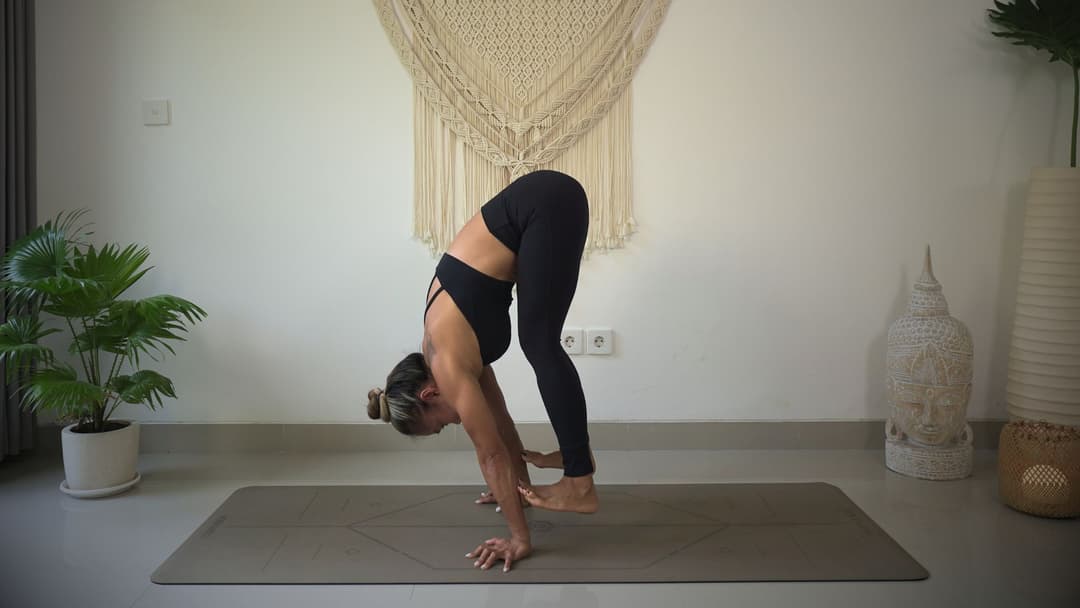

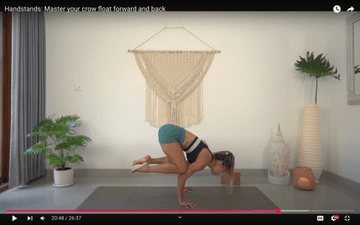
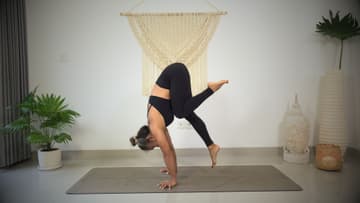
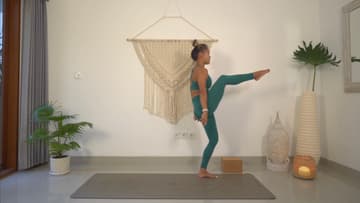
This course guides you step-by-step through the strength, mobility, and timing needed to float up and press without force or momentum. Inside this course, you’ll learn: ✅ The mechanics of floating and pressing—broken down into clear, achievable drills ✅ How to use brain-based techniques to improve balance, coordination, and spatial awareness ✅ Targeted strength and mobility work for shoulders, hips, core and legs ✅ How to rewire your nervous system for lightness and control—so pressing feels possible, not intimidating ✅ Explore Puppy press, Straddle Press and Pike Press ✅ Discover Jump(float) throughs and jump(foat) backs Even if you're short on time or think you're "not strong enough yet," this course will show you how to train smarter, not harder, and experience progress in weeks—not years.

Course Content
Foundation
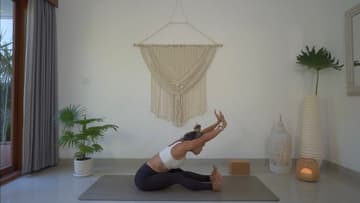
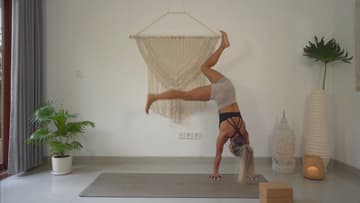
Strength Drills
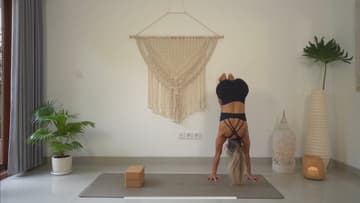
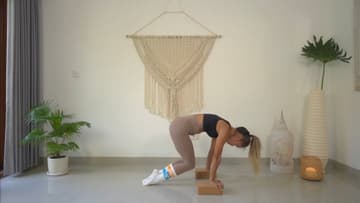
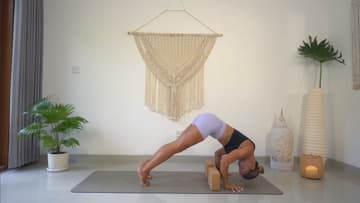
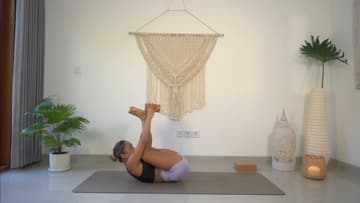
The Art of Floating and Pressing
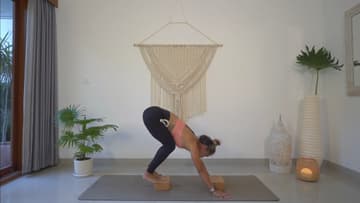
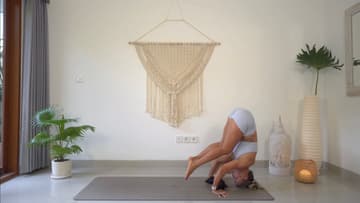
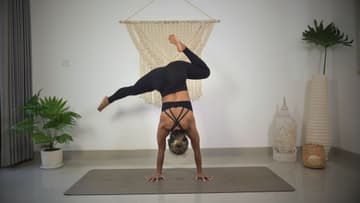
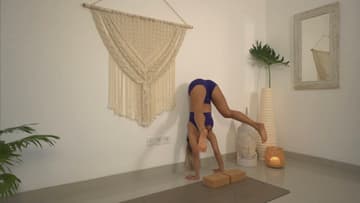
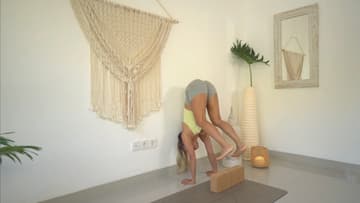
Explore the mechanics of pressing into inversions. You'll learn how to use hip flexor strength, body alignment, and core activation to lift off slowly and safely.
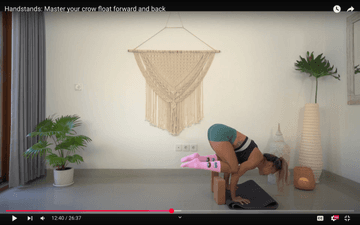
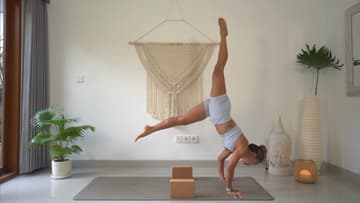
Neuro Inversion Flows
Frequently Asked Questions
- Do I need to be able to handstand to take this course?
- No! This course is designed to help you build the strength, control, and body awareness needed to progress toward both floating and pressing—whether you're still learning to kick up or you're already comfortable in handstand.
- what's is the difference between normal handstands to press handstands
- Normal handstands uses kick ups and momentum to find balance where as press handstands is done with control not momentum
- I’ve been trying to float for years with no success. Will this course help?
- Yes! Many practitioners plateau because they only train muscles—but not the input systems that control balance, timing, and strength expression. This course trains your nervous system—through vision drills, vestibular work, proprioception, and breath—so you finally unlock float with ease, not force.
- What if I don’t have a strong core or hamstring flexibility?
- No worries—you’ll train both from a brain-first approach. We include compression strength drills, hip flexor activation, and brain-based mobility work to improve range and control, even if you're not naturally flexible or strong yet.
- Is this course suitable for advanced practitioners too?
- Absolutely. If you’re already handstanding but want to master press entries, refine transitions like tuck float to straddle, or explore slow-motion lifts, this course will take your practice deeper—while helping you reduce strain and build longevity.
- What’s included in the course?
- You’ll get: Step-by-step progressions for floating and pressing Brain-based drills to prep your nervous system Compression strength and spinal control techniques Vision, vestibular, and proprioceptive training Guided practice sequences you can revisit anytime Lifetime access to all content
- What makes this different from other press handstand programs?
- Most programs train the output (strength, drills, reps). This course trains the inputs—how your brain perceives your body in space. By working with your nervous system, you unlock skills faster, more safely, and with more consistency.
- I’m afraid of falling or injuring myself—will this help?
- Yes. We focus on nervous system safety first. When your brain feels safe, your body allows you to explore deeper ranges and lift-off points. You’ll build confidence, reduce fear, and practice smarter—not harder.
- Can I take this alongside other training or classes?
- Yes! The modules are short, focused, and easy to integrate into your current yoga or movement practice—even just 10–35 minutes a few times a week can make a big impact.
- Is this course good for yoga teachers too?
- Definitely. You’ll gain deeper understanding of the neuromechanics behind floating and pressing, and walk away with techniques you can use to guide your students with more clarity, safety, and success.